
Road traffic accident compensation: What to know before making a claim
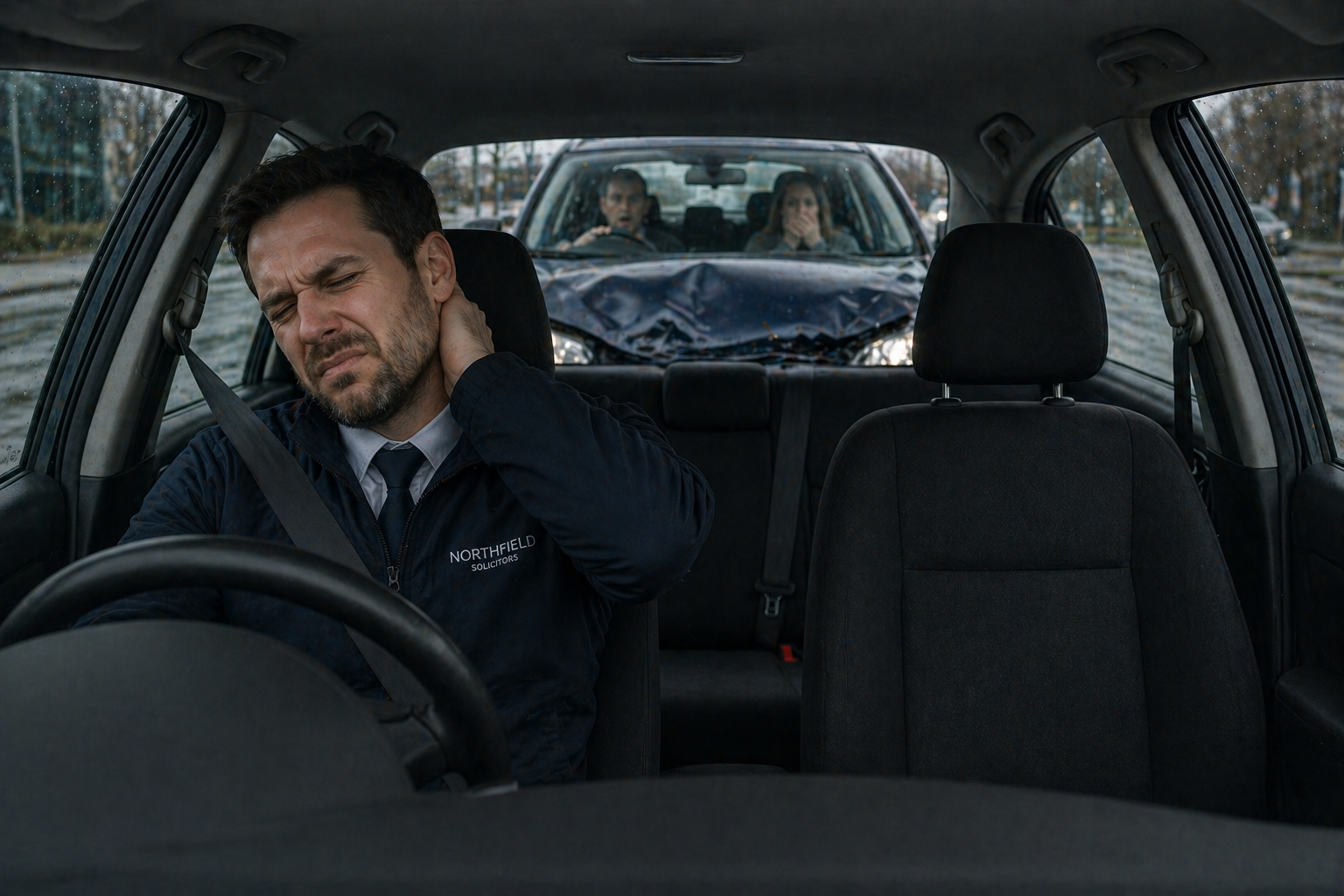
Every year, thousands of people across the UK are injured in road traffic accidents that were not their fault. Whether you were driving, travelling as a passenger, riding a motorcycle, cycling or simply crossing the road as a pedestrian, an accident can leave you facing pain, financial worries and uncertainty about what happens next.
Understanding your legal rights is the first step towards recovery.
At Bamber & Co Solicitors, we help clients pursue road traffic accident compensation after injuries caused by another road user’s negligence. Although we’re proudly based in Burnley, we represent clients nationwide, providing expert legal advice wherever you’re located.
Can I claim road traffic accident compensation?
You may be able to make a claim if:
- Another road user was wholly or partly responsible for the accident.
- You suffered a physical or psychological injury.
- The accident happened within the relevant legal time limits
Every case is unique, so it’s always worth seeking legal advice if you’re unsure whether you have a valid claim.
What can you claim compensation for?
Road traffic accident compensation is intended to put you, as far as money can, back into the position you would have been in had the accident not occurred.
Depending on your circumstances, compensation may include:
Compensation for your injuries
This covers the pain, suffering and loss of amenity caused by your injuries.
These may include:
- Whiplash injuries
- Neck and back injuries
- Fractures
- Soft tissue injuries
- Head injuries
- Psychological injuries, including anxiety or post-traumatic stress
- Serious or life-changing injuries
Financial losses
You may also be able to recover reasonable financial losses resulting from the accident, including:
- Loss of earnings
- Medical treatment costs
- Physiotherapy and rehabilitation
- Prescription charges
- Travel expenses
- Care and assistance provided by family or professionals
- Future financial losses where appropriate
Every claim is assessed on its own facts, taking into account both the injuries sustained and the financial impact of the accident.
What should I do after a road traffic accident?
If you have been involved in an accident, practical steps can help protect both your health and any future claim.
These include:
- Seeking medical attention as soon as possible.
- Reporting the accident where appropriate.
- Taking photographs of the accident scene and vehicle damage if it is safe to do so.
- Obtaining the details of any witnesses.
- Keeping receipts and records of any expenses.
- Keeping details of any time taken off work.
Early evidence can often make a significant difference as a claim progresses.
Have road traffic accident claims changed?
Yes.
Changes introduced in recent years mean that some lower-value adult whiplash claims arising from road traffic accidents follow a different claims process and may be subject to fixed compensation tariffs. However, many road traffic accident claims still benefit from professional legal advice, particularly where liability is disputed, injuries are more serious or financial losses are significant.
Every case should be assessed individually before deciding the most appropriate route forward.
Why choose Bamber & Co Solicitors?
Road traffic accidents can have lasting consequences long after the vehicles have been repaired.
At Bamber & Co Solicitors, we understand that a successful claim is about more than compensation. It’s about helping clients move forward with confidence.
While our offices are based in Burnley, we regularly represent clients across England and Wales using telephone, email and video appointments, meaning expert legal advice is never limited by location.
We pride ourselves on providing:
- Clear, straightforward legal advice
- Personal service from experienced solicitors
- Regular communication throughout your claim
- A commitment to securing the best possible outcome for every client
Speak to our road traffic accident compensation solicitors
If you’ve been injured in a road traffic accident that wasn’t your fault, don’t wait to find out where you stand.
Contact Bamber & Co Solicitors today for expert advice on your road traffic accident compensation claim.
Whether you’re based in Burnley, Lancashire or anywhere else in England and Wales, our experienced team is here to help.